
Systems
Decoding 5G: Why It's More Than Speed
When 5G first entered the public conversation, most attention focused on speed—promising downloads in seconds and buffer-free streaming.
Architectures, chips, models and protocols: the technical scaffolding underneath AI and why structure decides behavior.
When 5G first entered the public conversation, most attention focused on speed—promising downloads in seconds and buffer-free streaming.
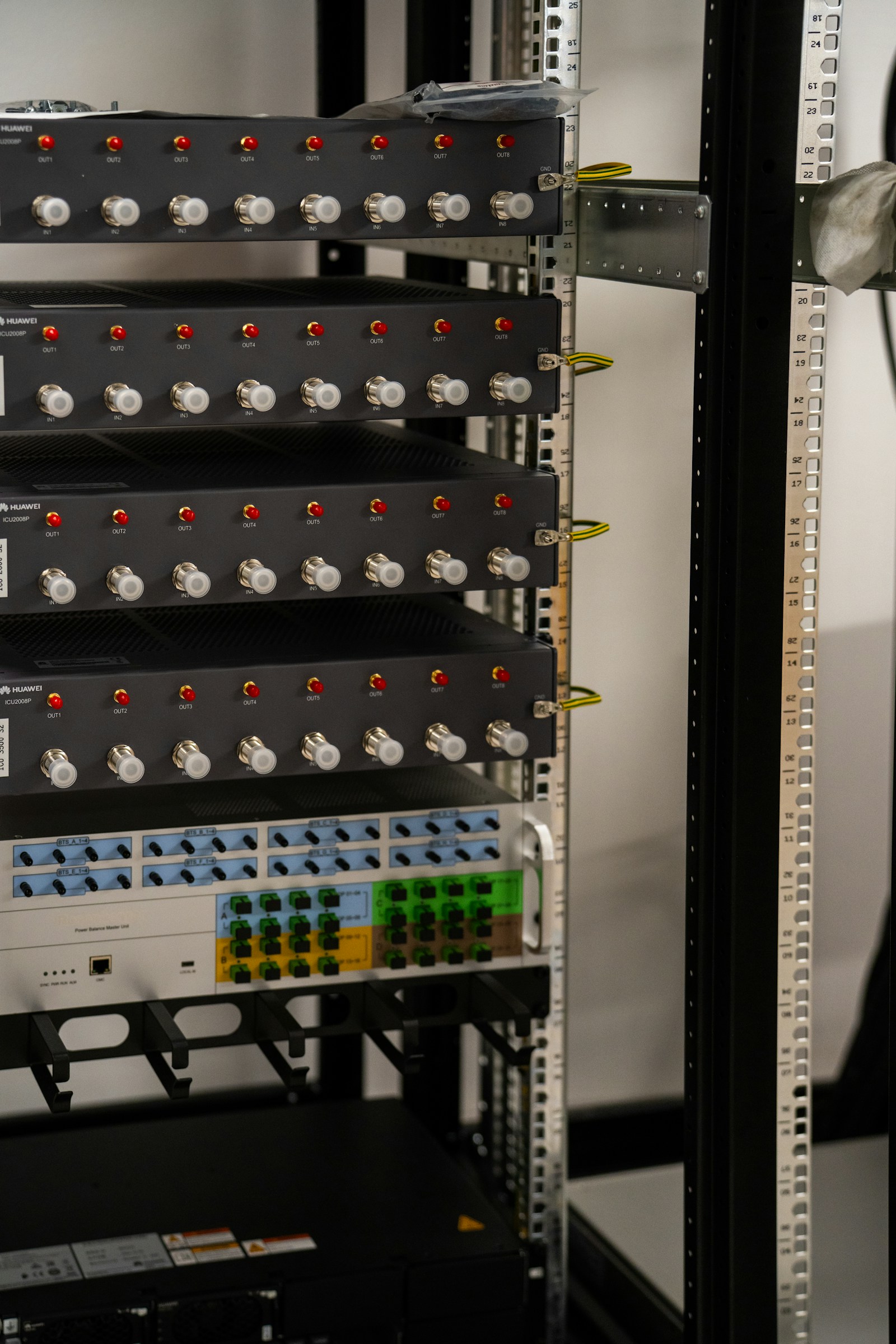
In a world obsessed with infrastructure—containers, clusters, and cloud orchestration—there's one architectural movement quietly transforming the way developers build and scale applications: serverless computing.

Version control isn't just a developer convenience—it's the infrastructure backbone of modern software development. And no tool is more central to that reality than Git.

Artificial Intelligence has traditionally lived in the cloud—relying on centralized servers to process, store, and learn from data.

When Apple announced its transition from Intel to its own M-Series chips, many questioned the leap. Today, the performance and energy efficiency of Apple Silicon speak for themselves—setting new standards in laptop,…

NVIDIA's rise as the global leader in graphics and AI acceleration is no accident. With the debut of its Blackwell architecture, the company marks a pivotal leap in GPU evolution—tailored not just for rendering visuals,…

Neural networks power the AI revolution—from language models and recommendation systems to facial recognition and robotics.

Programming languages shape how we build systems—from syntax and memory management to safety guarantees and runtime behavior.
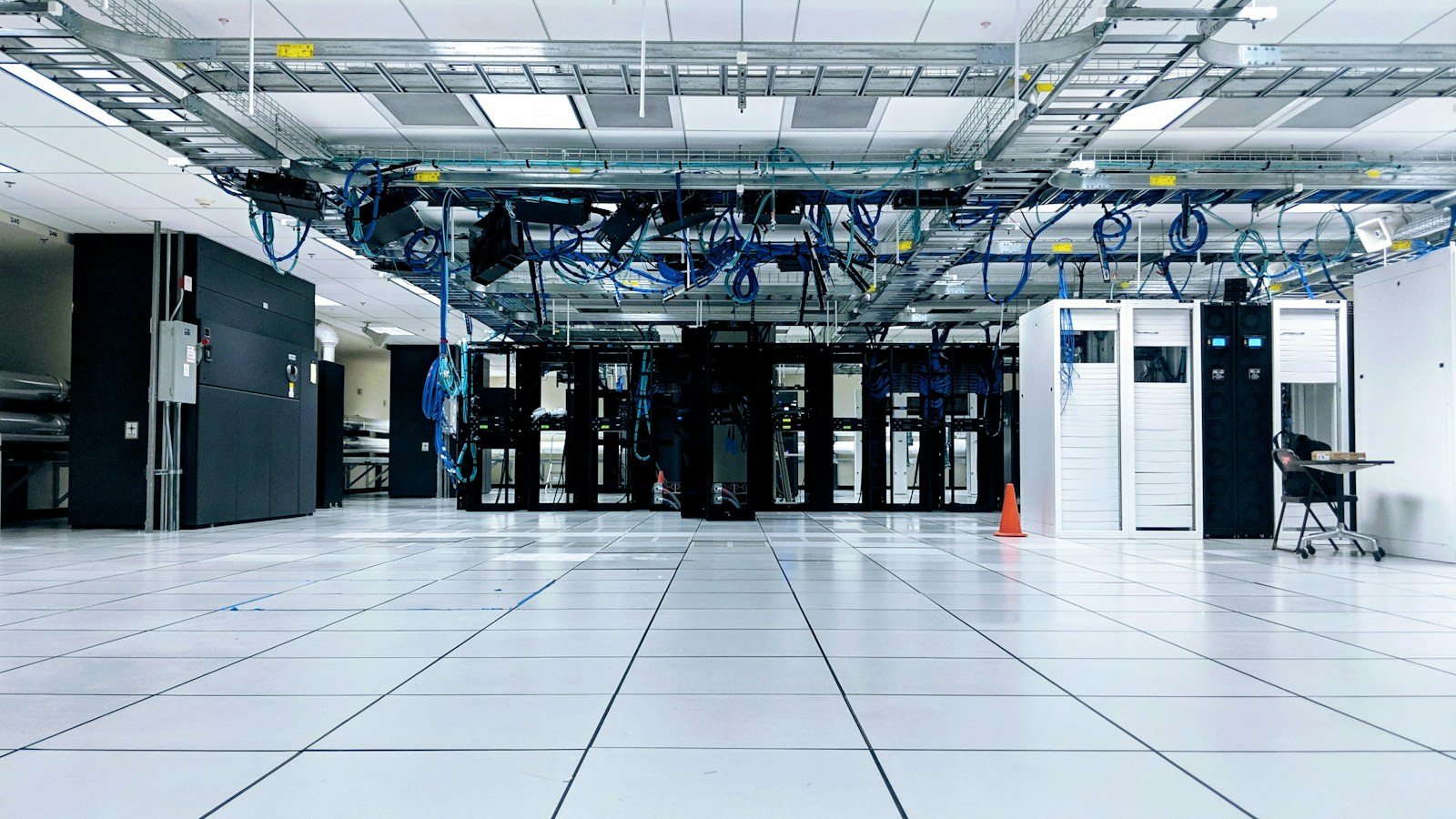
In a world increasingly powered by digital infrastructure, uptime is no longer a goal—it's a baseline expectation. Yet distributed systems are complex, unpredictable, and prone to failure in subtle ways.
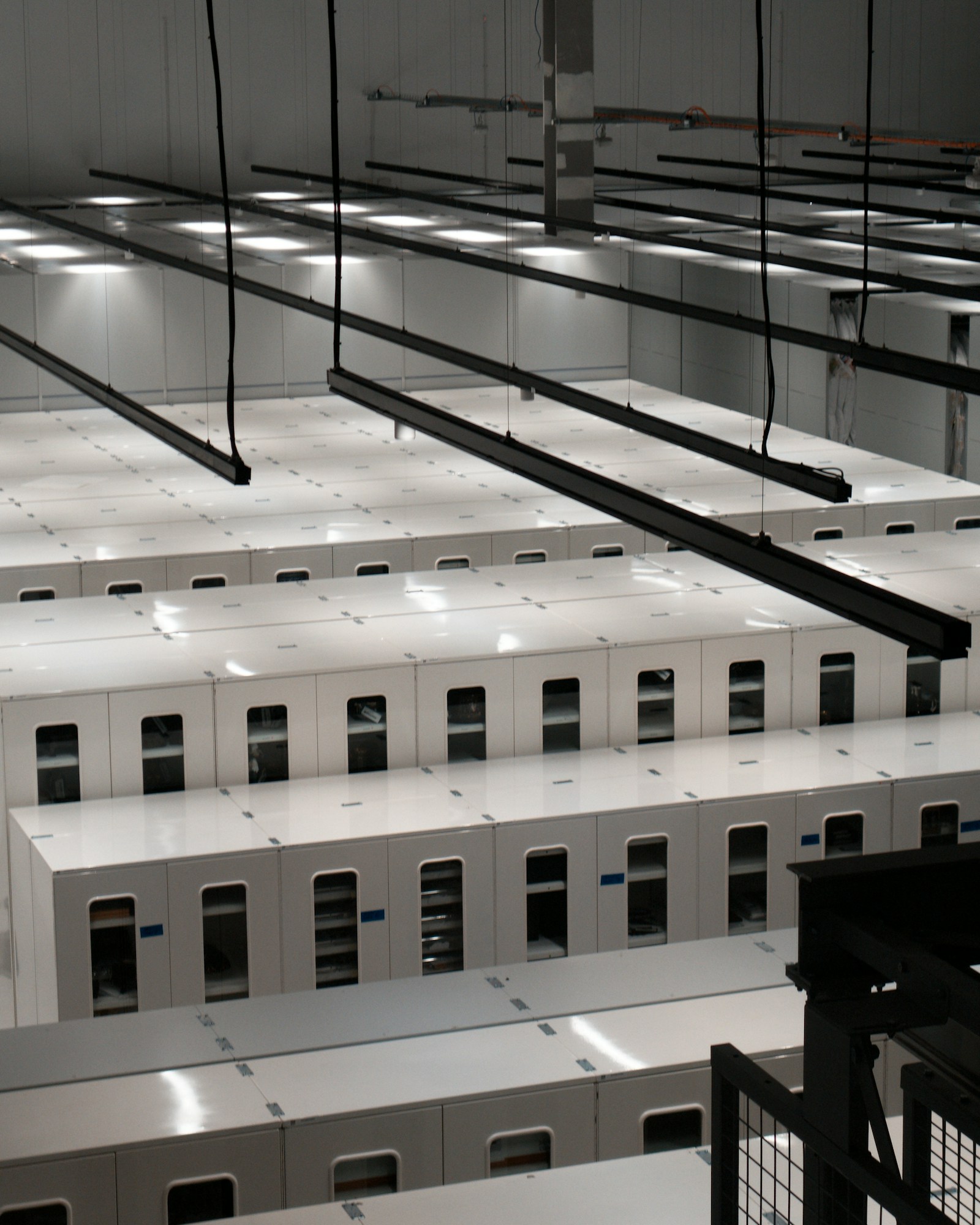
Every computer chip runs on an instruction set architecture (ISA)—a low-level blueprint for how software communicates with hardware.